Book Renzo
Genre
Poetry
Violet Bent Backwards Over the Grass
Lana Del Rey
Long Way Down
Jason Reynolds
Songs of Travel, and Other Verses
Robert Louis Stevenson
Dreams and Dust
Don Marquis
Ballads
Robert Louis Stevenson
Love Songs
Sara Teasdale
New Poems, and Variant Readings
Robert Louis Stevenson
Underwoods
Robert Louis Stevenson
General William Booth Enters into Heaven, and Other Poems
Vachel Lindsay
The Hymns of Martin Luther
Martin Luther
Ballads
Robert Louis Stevenson
Poems on Various Subjects, Religious and Moral
Phillis Wheatley
Helen of Troy, and Other Poems
Sara Teasdale
L'Allegro, Il Penseroso, Comus, and Lycidas
John Milton
A Lute of Jade
L. Cranmer-Byng
In Flanders Fields, and Other Poems
John McCrae
Hesiod, the Homeric Hymns, and Homerica
Hesiod
A Heap o' Livin'
Edgar A. Guest
Verses 1889-1896
Robert Louis Stevenson
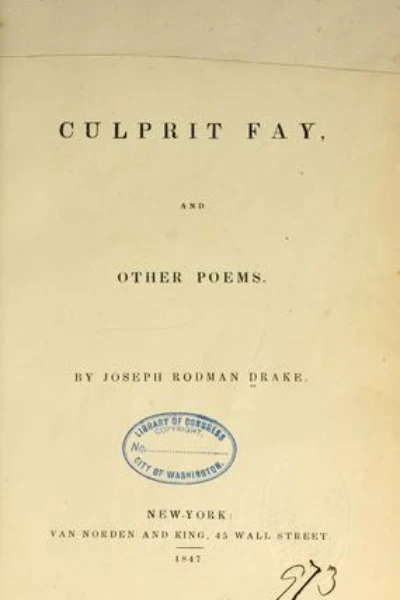
The Culprit Fay, and Other Poems
Joseph Rodman Drake
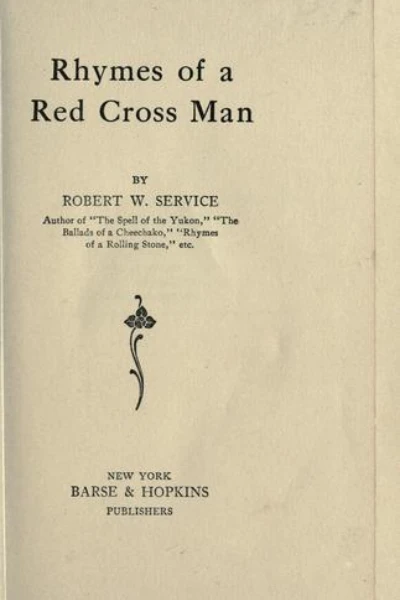
Rhymes of a Red Cross Man
Robert W. Service
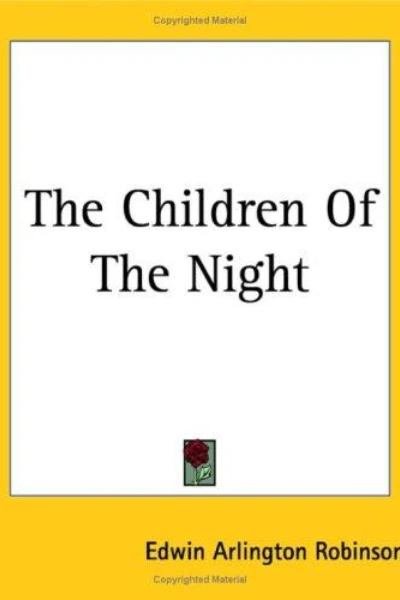
Children of the Night
Edwin Arlington Robinson
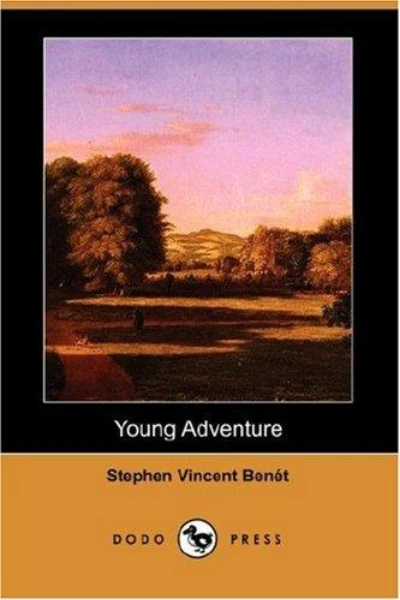
Young Adventure
Stephen Vincent Benét
Rhymes of a Rolling Stone
Robert W. Service
Classic Poetry — Milton, Longfellow, and the English Canon
Poetry is the oldest form of literature we have — older than the novel, older than the essay, arguably older than the written word itself. Before poems were printed, they were memorized, sung, chanted, passed hand to hand through the centuries by cultures that needed a way to hold onto their most important stories. That inheritance is still what a great poem does. It compresses meaning into rhythm and image in a way no other kind of writing can quite match.
The Book Renzo poetry shelf currently centers on two enormous works — enormous in scope, in influence, and in ambition — that shaped what poetry in the English tradition became.
The first is John Milton's Paradise Lost, published in 1667. Milton set out to write nothing less than an English answer to Virgil and Homer, retelling the biblical story of Adam and Eve's fall from grace as a full-scale epic in blank verse. He succeeded so thoroughly that Paradise Lost has essentially defined what an English epic poem is ever since. Milton's Satan — proud, articulate, unrepentant — is one of the most compelling antagonists in world literature; the poem's descriptions of Eden are among the most famous passages of English verse; and the questions the poem asks about free will, obedience, and moral responsibility have never really stopped being asked. What makes Paradise Lost still readable, three and a half centuries later, is that Milton's grand ambitions are supported by lines of remarkable specificity and beauty. Reading it slowly rewards you.
The second is Henry Wadsworth Longfellow's The Song of Hiawatha, published in 1855. Longfellow was one of the most beloved American poets of his time, and Hiawatha remains his most distinctive work. Drawing on Native American oral traditions, particularly from Ojibwe legend, Longfellow composed the whole poem in unrhymed trochaic tetrameter — a driving, chanting meter that most English poems don't use, and that gives Hiawatha a hypnotic, almost incantatory quality when read aloud. The poem tells the story of Hiawatha, his childhood, his adventures, his marriage to Minnehaha, and the arrival of European settlers in his world. Modern readers approach Hiawatha with more historical awareness than its original audience did — Longfellow's Native American sources have been reexamined and reinterpreted many times since — but the poem remains an important document of nineteenth-century American literary imagination.
Beyond these two, poetry more broadly is one of the most enduring literary traditions humanity has, and the public domain preserves an extraordinary amount of it. We're actively expanding the poetry shelf to include more of the canonical English and American voices: Shakespeare's sonnets, William Blake's illuminated verse, Emily Dickinson's compressed and startling lyrics, Walt Whitman's expansive American songs, the Romantic poets, the Metaphysicals, and translations of major works from other traditions. Every poem on this shelf is a verified public-domain text.
If you're new to reading classic poetry, don't rush it. A page of Milton takes longer to absorb than a page of prose, and the payoff comes in the slowness. Read it out loud when the meter is doing something interesting — Hiawatha especially. Start reading.