
Book Renzo
Genre
Science Fiction
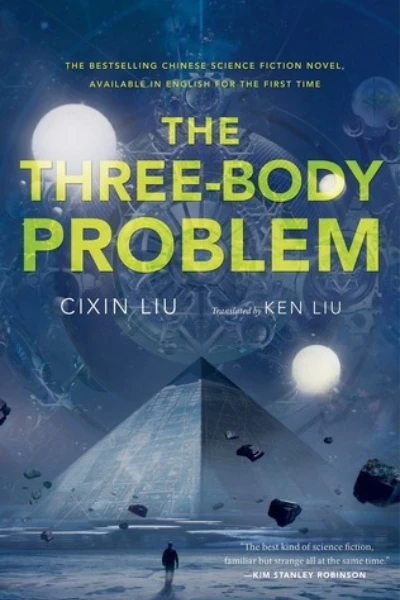
The Three-Body Problem
Liu Cixin
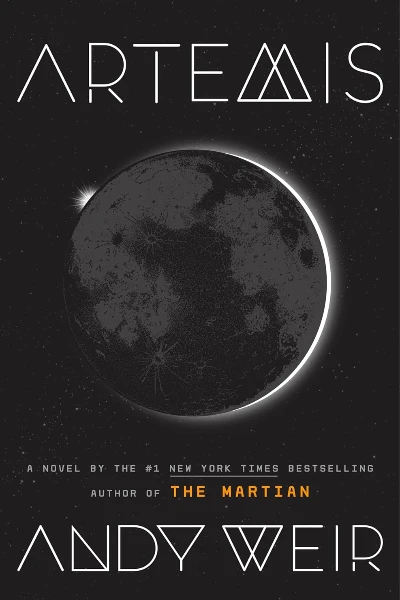
Artemis
Andy Weir
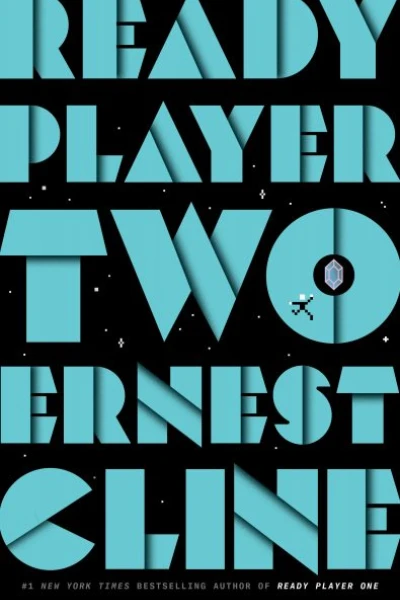
Ready Player Two
Ernest Cline
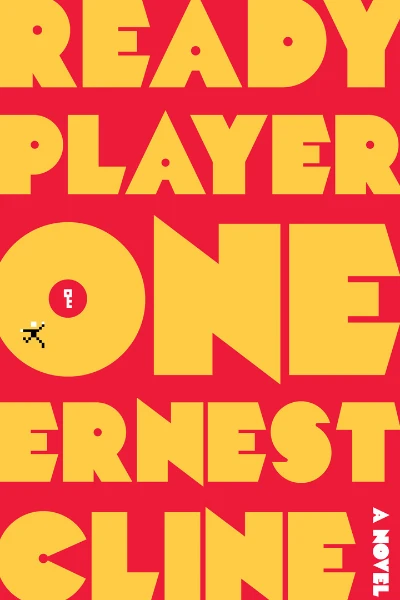
Ready Player One
Ernest Cline
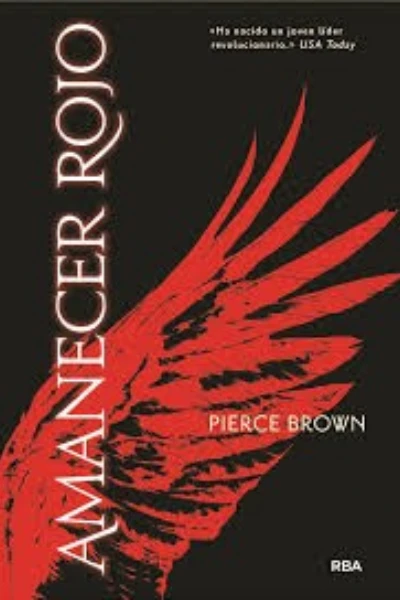
Red Rising
Pierce Brown
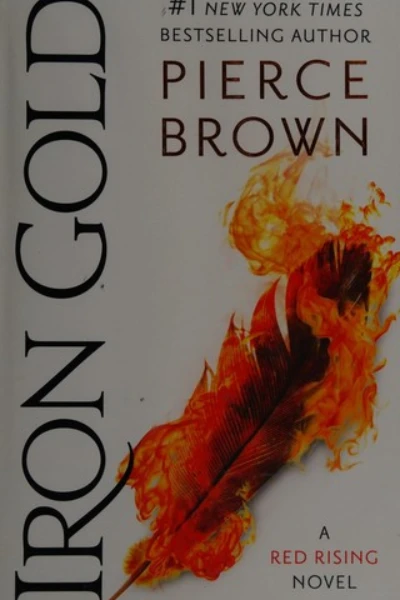
Iron Gold (Red Rising Saga, #4)
Pierce Brown
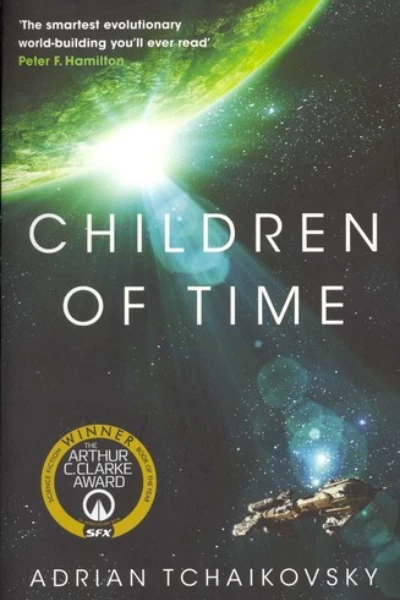
Children of Time
Adrian Tchaikovsky
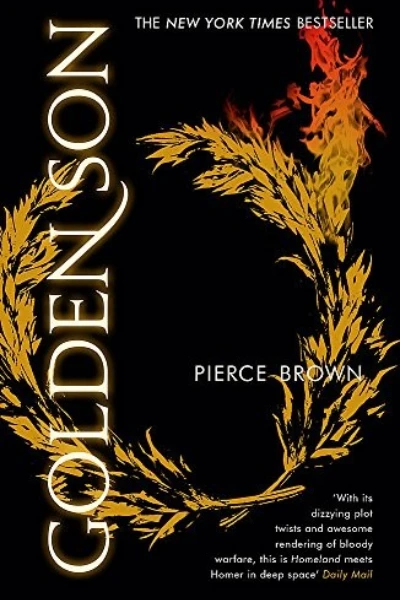
Golden Son (Red Rising Saga, #2)
Pierce Brown
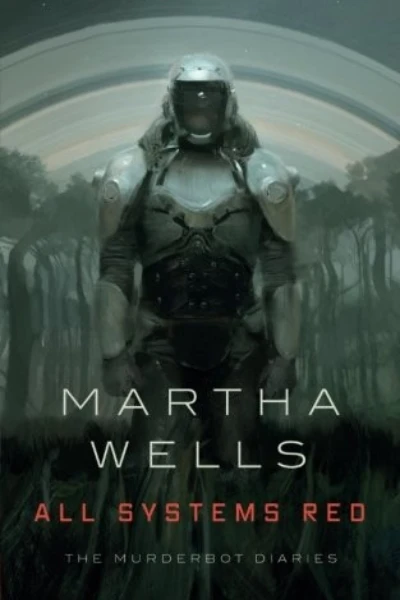
All Systems Red
Martha Wells
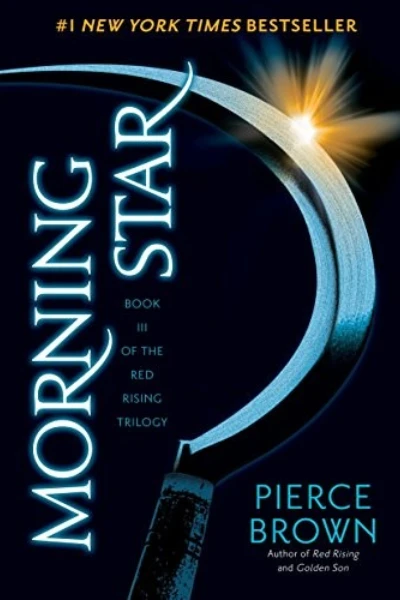
Morning Star (Red Rising Saga, #3)
Pierce Brown
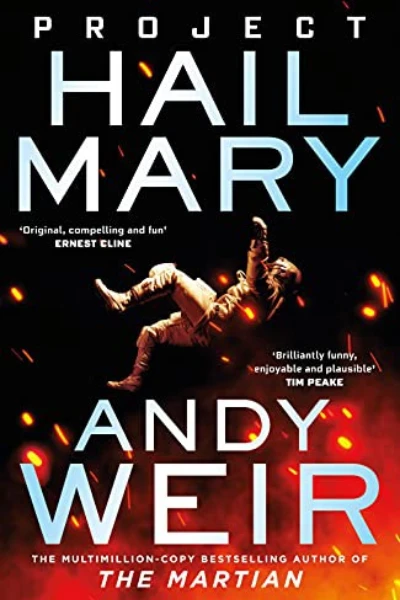
Project Hail Mary
Andy Weir
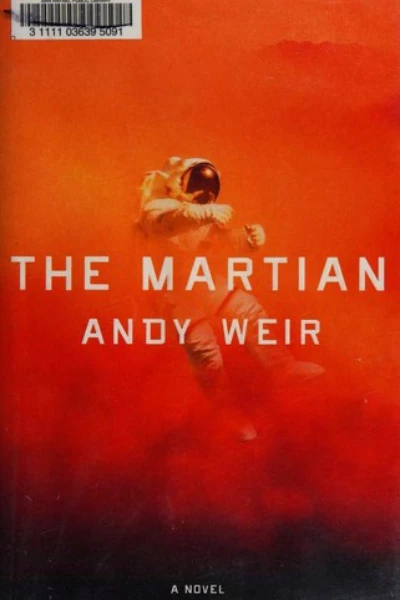
The Martian
Andy Weir
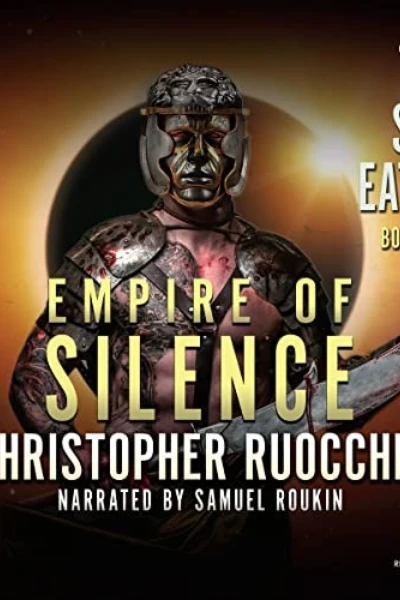
Empire of Silence
Christopher Ruocchio
The Great War Syndicate
Frank R. Stockton
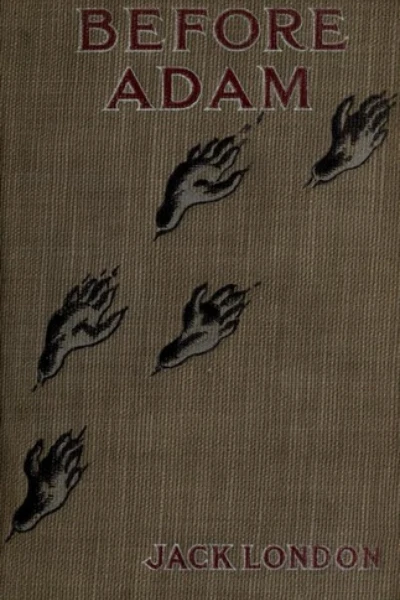
Before Adam
Jack London
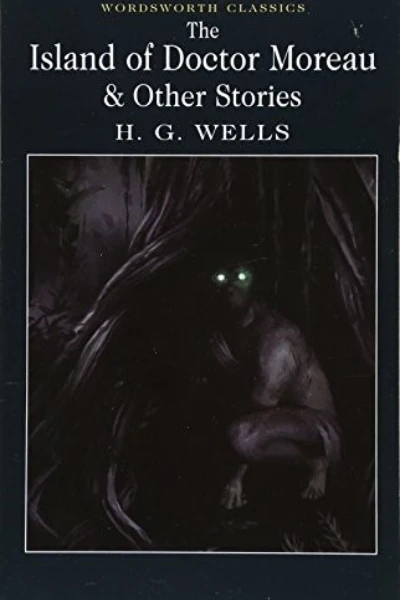
The Island of Doctor Moreau
H. G. Wells
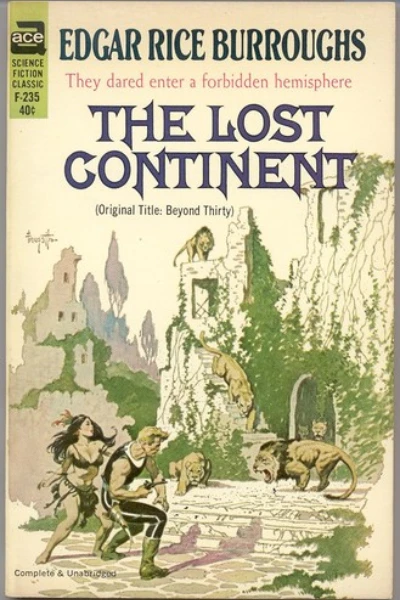
The Lost Continent
Edgar Rice Burroughs
Classic Science Fiction — H.G. Wells, Jules Verne, and the Origins of the Genre
Science fiction as we now understand it did not exist as a named literary category until well into the twentieth century. Before that, the writers who worked in what we now call science fiction had no shared label for what they were doing — they were simply novelists writing about scientific speculation, technological possibility, alien contact, and the far future in ways that felt new. What later readers realized, looking back, was that these writers had essentially invented a new mode of storytelling. They gave the genre its foundational vocabulary — space travel, alien invasion, time travel, futuristic technology, the confrontation between human beings and forces beyond their comprehension — and everything that followed built on what they had done.
The Book Renzo science fiction shelf currently features two of the writers most responsible for the genre's early development.
The first is H.G. Wells's The War of the Worlds, published in 1898. It was one of the earliest and most influential novels ever written about alien invasion, and it essentially created the template for the modern invasion narrative. The premise is now so familiar as to feel almost inevitable: a wave of Martian invaders lands in southern England, armed with weapons — heat rays, poison gas, immense armored tripods — against which nineteenth-century military technology is completely useless. What Wells does with this premise is more interesting than a summary suggests. The novel is narrated in a calm, journalistic voice, and much of its power comes from that restraint. Wells was writing during the height of the British Empire, and one of the things The War of the Worlds is quietly doing is asking English readers to imagine what it would feel like to be on the receiving end of an overwhelming colonial force. That subtext is what has kept the book alive as literature, not just as spectacle.
The second is Jules Verne's Twenty Thousand Leagues Under the Sea, published in 1870. Verne's contribution to early science fiction was different from Wells's. Where Wells wrote speculative fiction concerned with philosophical and political ideas, Verne wrote technological fiction obsessed with plausibility. The Nautilus — Captain Nemo's submarine — is described in loving detail across hundreds of pages. Verne wanted his readers to believe that such a vessel could exist, and he supplied enough engineering plausibility to make the belief work. His novels shaped what science fiction would look like for a century afterward: technically detailed, geographically expansive, populated by inventors and explorers pushing at the edges of what was possible.
Together, Wells and Verne represent the two poles of early science fiction — the speculative-philosophical and the technological-adventurous — and almost every science fiction novel written since has fallen somewhere on the line between them. We're continuing to expand this shelf toward more of the foundational works: Mary Shelley's Frankenstein, which is arguably the true first science fiction novel; Edgar Rice Burroughs's John Carter of Mars and Tarzan stories; Wells's other novels — The Time Machine, The Invisible Man, The Island of Doctor Moreau — and the wider body of early science fiction writing that shaped everything that followed. Every book on this shelf is a verified public-domain text. Start reading.