
Book Renzo
Mystery
30 books in this genre
Mad Mabel
Sally Hepworth
A Good Girl's Guide to Murder
Holly Jackson
The Perfect Divorce
Jeneva Rose
The Perfect Marriage =
Jeneva Rose
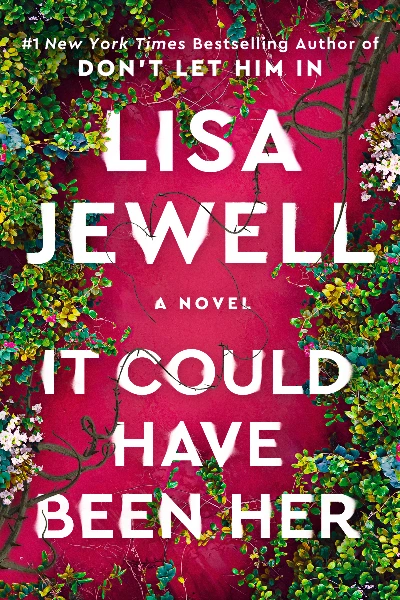
It Could Have Been Her
Lisa Jewell
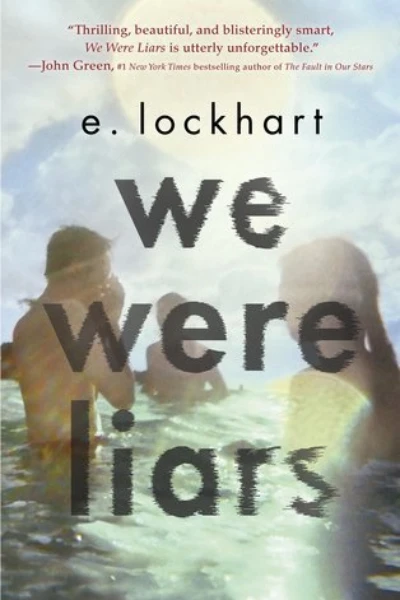
We Were Liars
E. Lockhart
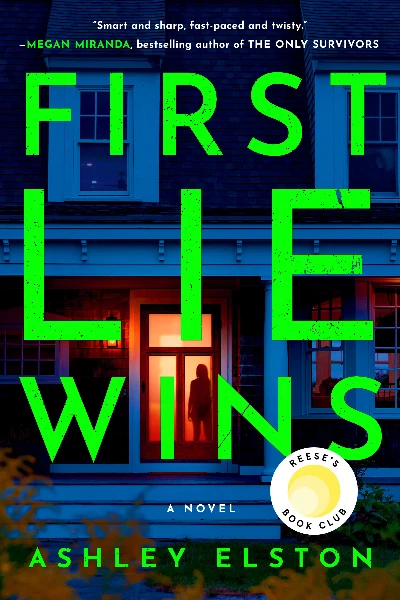
First Lie Wins
Ashley Elston
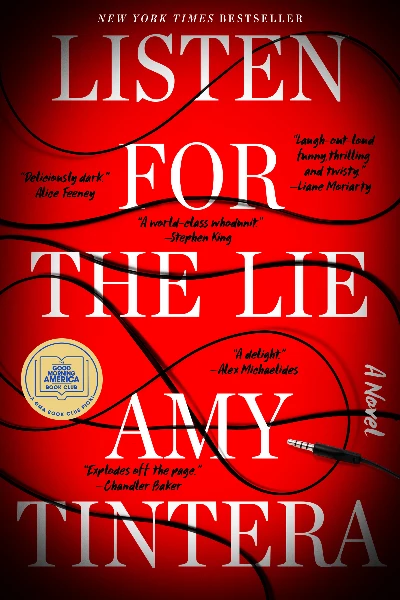
Listen for the Lie
Amy Tintera
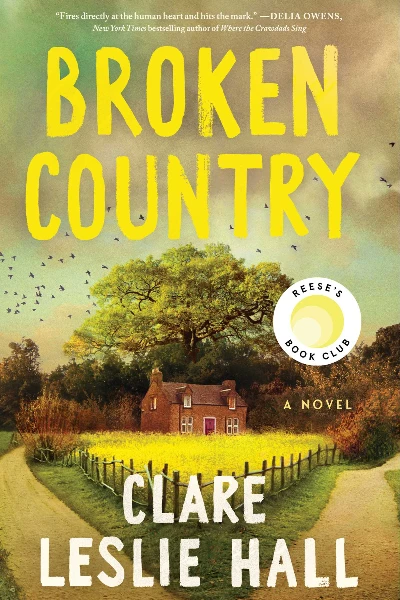
Broken Country
Clare Leslie Hall
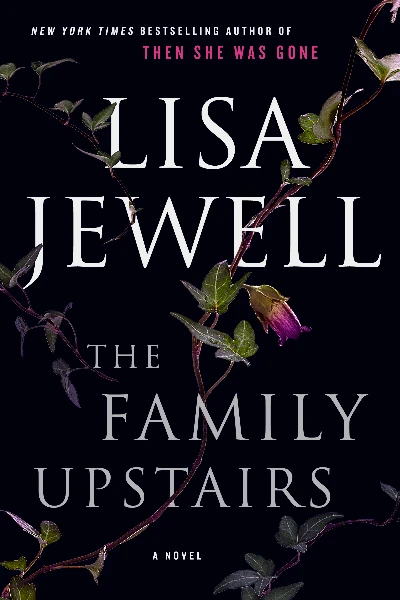
The Family Upstairs
Lisa Jewell
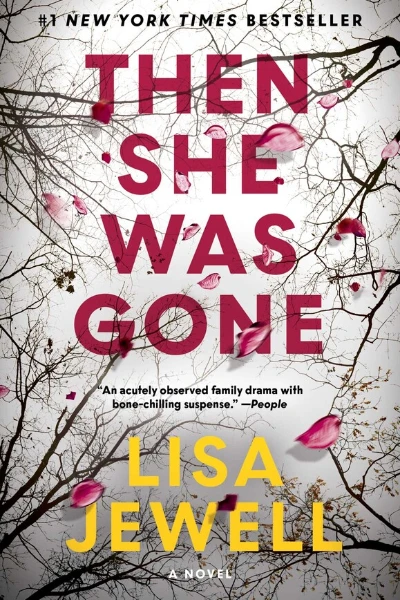
Then She Was Gone
Lisa Jewell
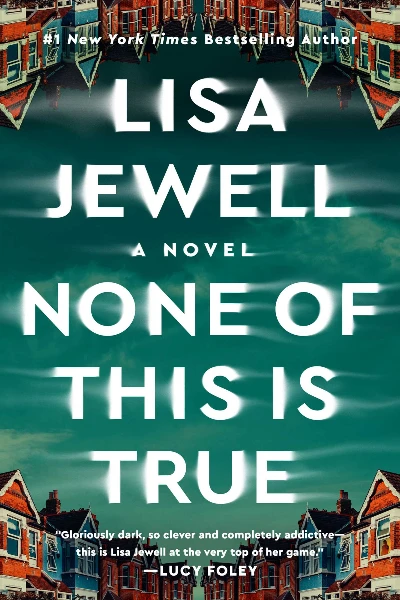
None of This Is True
Lisa Jewell
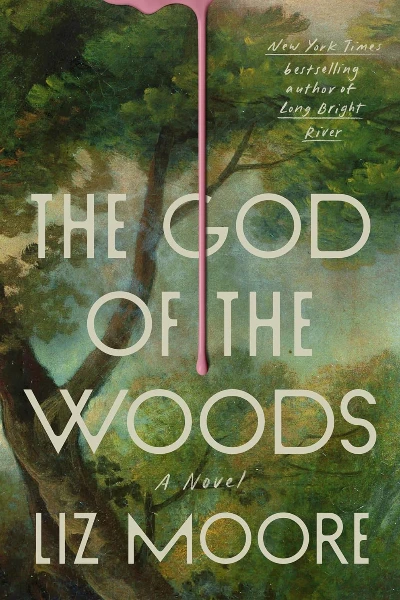
The God of the Woods
Liz Moore
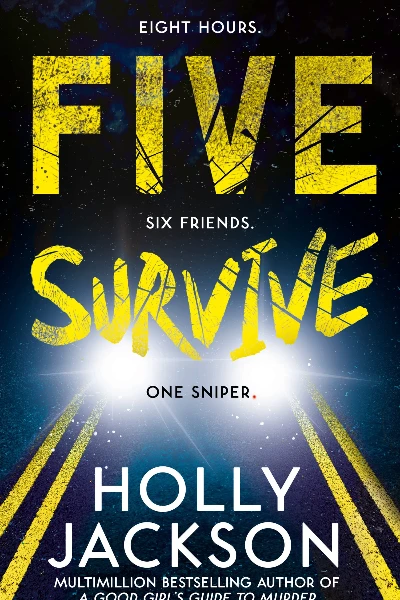
Five Survive
Holly Jackson
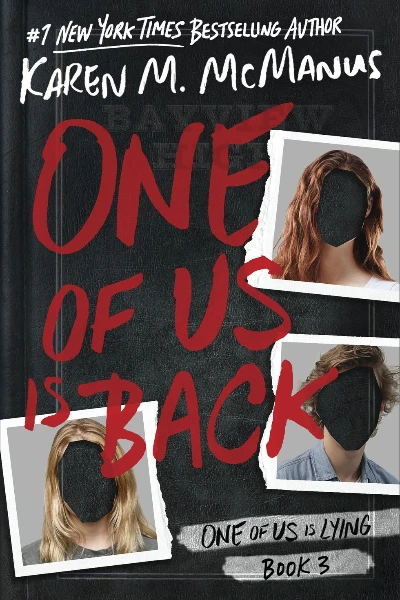
One of Us Is Back
Karen M. McManus
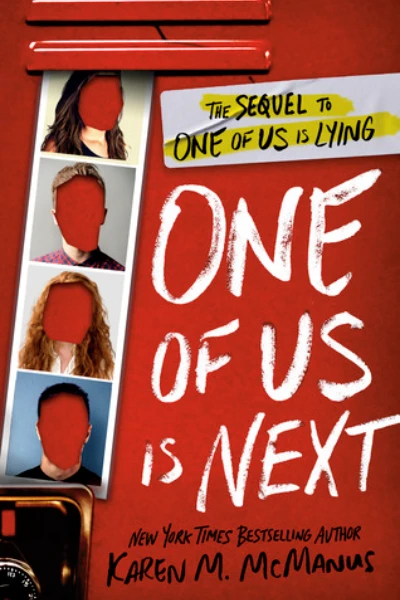
One of Us Is Next
Karen M. McManus
One of Us Is Lying
Karen M. McManus
The Secret of Chimneys
Agatha Christie
The Circular Staircase
Mary Roberts Rinehart
The Oakdale Affair
Edgar Rice Burroughs
Where There's a Will
Mary Roberts Rinehart
The Count's Millions
Émile Gaboriau
A Study in Scarlet
Arthur Conan Doyle
The Wisdom of Father Brown
G. K. Chesterton
Mystery and Detective Fiction — Sherlock Holmes, Auguste Dupin, and the Birth of the Genre
Mystery and detective fiction is a genre with a startlingly precise origin. Unlike most literary categories, which emerged gradually from older traditions, detective fiction can be traced almost exactly to a specific writer and a specific story: Edgar Allan Poe's The Murders in the Rue Morgue, published in 1841, which introduced the world to C. Auguste Dupin, the first great analytical detective in English literature. Every mystery novel written since — every Sherlock Holmes story, every Agatha Christie puzzle, every twenty-first-century police procedural — is in some way a descendant of what Poe invented in that one short story.
The Book Renzo mystery shelf features two of the writers who defined the genre in its foundational years.
The first is Sir Arthur Conan Doyle's The Adventures of Sherlock Holmes, first published as a collection in 1892. Holmes was not the first fictional detective, but he was the one who fixed the archetype in the popular imagination so completely that every subsequent detective character has been measured against him. Holmes is brilliant, eccentric, socially difficult, and possessed of powers of observation that seem almost supernatural until Doyle patiently explains them. His partnership with Dr. John Watson — the narrator of most of the stories, and the ordinary intelligent man against whom Holmes's genius is measured — is one of the most influential character pairings in literary history. Doyle wrote four novels and fifty-six short stories about Holmes over roughly forty years, and the best of them are as sharp and satisfying today as they were when they were first published in The Strand Magazine in the 1890s.
The second is Edgar Allan Poe, whose small handful of Dupin stories founded the analytical-detective tradition that Doyle inherited. The Murders in the Rue Morgue, The Mystery of Marie Rogêt, and The Purloined Letter established almost every convention modern detective fiction still relies on: the brilliant amateur detective who solves crimes the police cannot; the ordinary narrator who serves as the reader's stand-in; the "locked-room" mystery structure; the emphasis on ratiocination — Poe's own word for the process of reasoning from evidence to conclusion. Poe wrote only a few Dupin stories, but their influence is disproportionate to their number. Doyle acknowledged Dupin as a direct precursor to Holmes.
Between them, Poe and Doyle built the foundations of everything that came after. We're continuing to expand this shelf toward the other great writers of the classical detective tradition: Wilkie Collins, whose The Moonstone is often cited as the first English detective novel; G.K. Chesterton's Father Brown stories; Anna Katharine Green's early American detective fiction; and the wider body of nineteenth-century mystery and crime writing. Every book on this shelf is a verified public-domain text.
For a reader coming to classical detective fiction for the first time, Doyle is the natural place to start. His stories are short, self-contained, and endlessly re-readable. Start reading.