
Book Renzo
Classic Literature
50 books in this genre
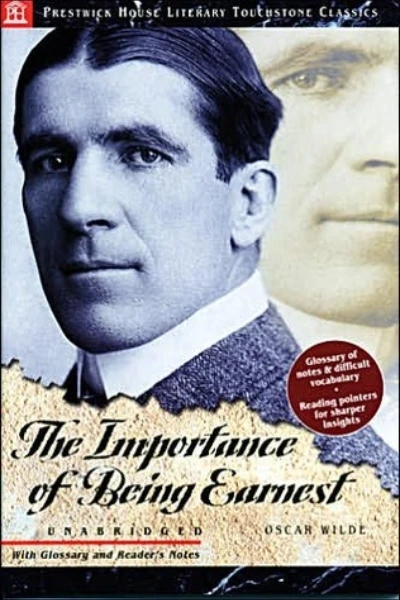
The Importance of Being Earnest
Oscar Wilde
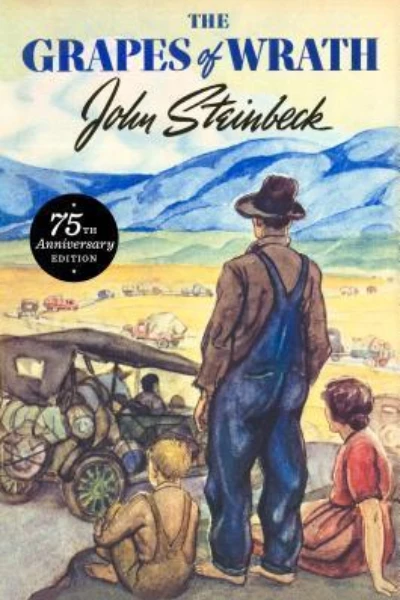
The Grapes of Wrath
John Steinbeck
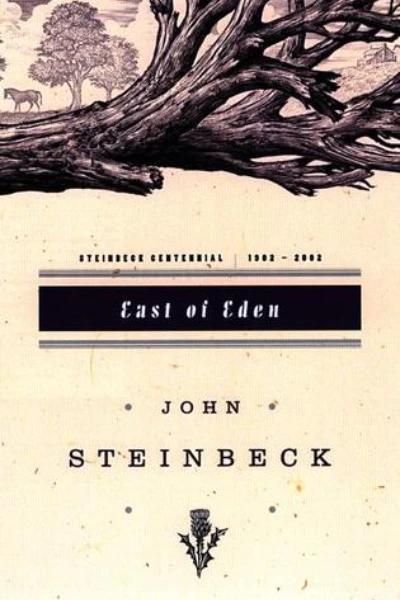
East of Eden
John Steinbeck
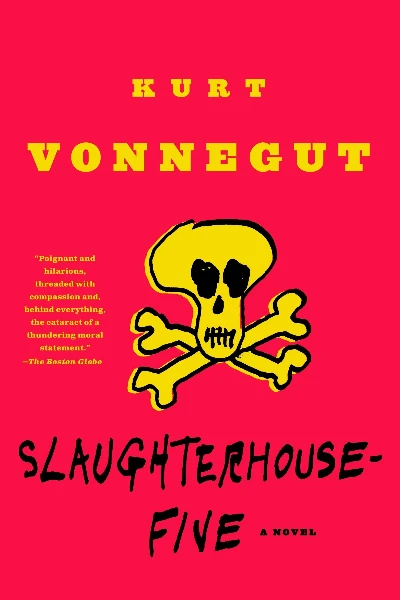
Slaughterhouse-Five
Kurt Vonnegut Jr
Catch-22
Joseph Heller
The Catcher in the Rye
J.D. Salinger
The Color Purple
Alice Walker
Twelfth Night
William Shakespeare
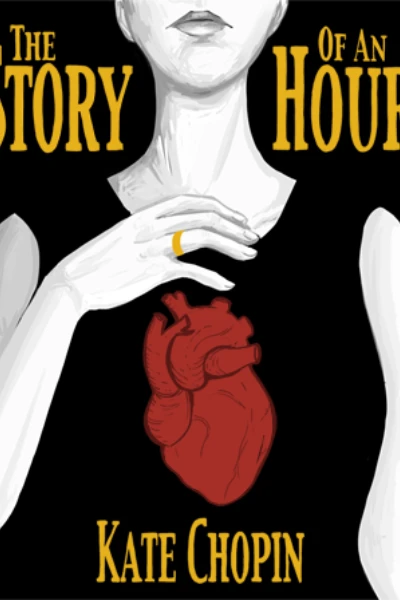
The Story of an Hour
Kate Chopin
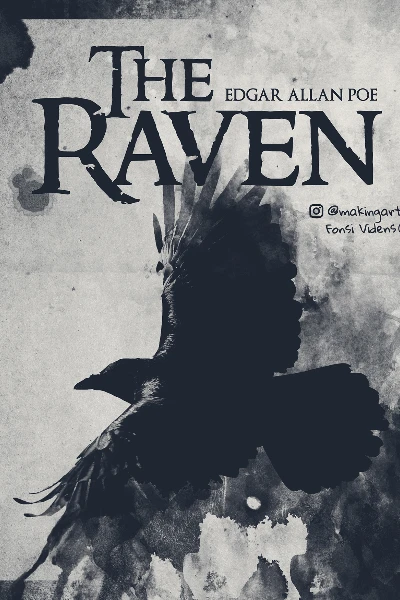
The Raven
Edgar Allan Poe
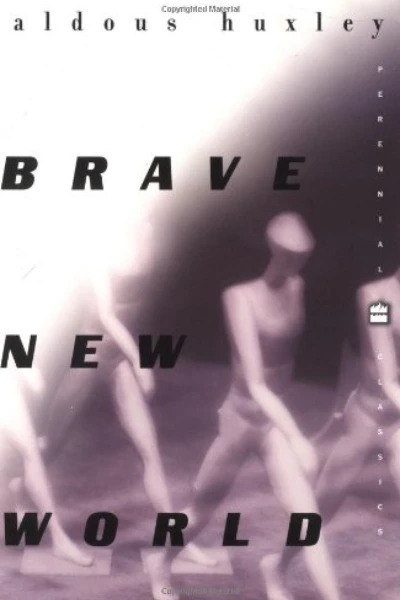
Brave New World
Aldous Huxley
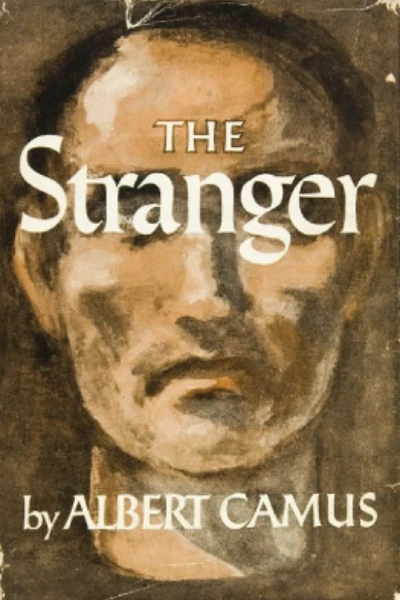
The Stranger
Albert Camus
Crime and Punishment
Fyodor Dostoevsky
Lord of the Flies
William Golding
To Kill a Mockingbird
Harper Lee
Little Women
Louisa May Alcott
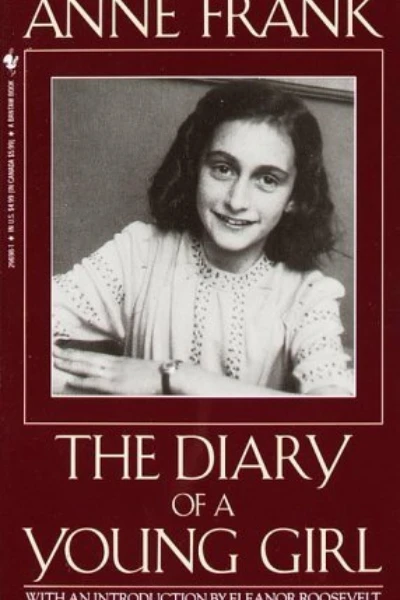
The Diary of a young girl Anne Frank
Anne Frank
One Flew Over the Cuckoo's Nest
Ken Kesey
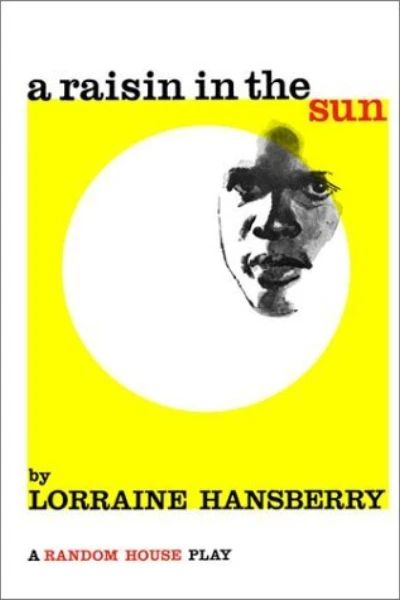
A Raisin in the Sun
Lorraine Hansberry
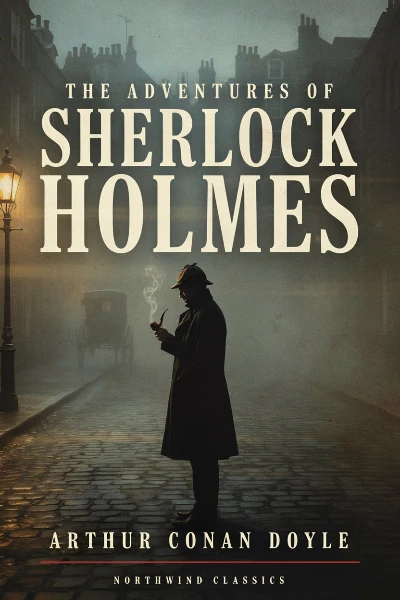
The Adventures of Sherlock Holmes
Arthur Conan Doyle
The Mysteries of Udolpho
Ann Ward Radcliffe
The Blue Castle
L. M. Montgomery
A Room with a View
E. M. Forster
The Song of Roland
Anonymous
Classic Literature — The Great Gatsby and the American Novel
"Classic literature" is a category that has to define itself, in part, by contrast. What makes a novel a classic — as opposed to just a good book that had a good run — is that it kept being read after its own historical moment. Something in it survived the world it was written for. The books on this shelf are the ones that did.
The Book Renzo classic literature shelf features F. Scott Fitzgerald's The Great Gatsby, published in 1925 and now widely regarded as the quintessential American novel. It is not a long book. Fitzgerald wrote it in his late twenties, after two earlier novels, and revised it obsessively; the final version is compressed, precise, and almost mercilessly well-constructed. Every scene serves the whole.
The novel is narrated by Nick Carraway, a young Midwesterner who has come to New York after the First World War and taken a house on Long Island, on a stretch of coastline dominated by the enormous mansion of his mysterious neighbor Jay Gatsby. Gatsby throws lavish parties every weekend that summer, attended by hundreds of people who mostly don't know him. He is rich in a way no one can quite account for. And, as Nick gradually discovers, everything Gatsby is and does is oriented around one goal: to win back Daisy Buchanan, the woman he loved before the war, who is now married to the wealthy and brutal Tom Buchanan across the bay.
What Fitzgerald does with this material is transform a story that could have been sordid — a rich man's obsession with another man's wife — into a meditation on the entire American myth of self-invention. Gatsby is not exactly what he appears to be; the fortune, the parties, the persona are all constructed toward a single desired end. Fitzgerald's genius is to make the reader feel the ache of that desire while never letting them lose sight of what Gatsby actually is, and what the world he is trying to enter actually looks like. The novel's final page is one of the most quoted in American literature for a reason. It works.
Fitzgerald wrote Gatsby in prose so lyrical it verges on poetry, but his lyricism is disciplined by a precise moral clarity. He is not sentimental about wealth. He is not sentimental about romance. He is not sentimental about America. What he offers instead is the closest thing the twentieth-century American novel has produced to a fully achieved short novel — a book that will still be being read a hundred years from now, for the same reasons it has been read for the past hundred.
The classic literature shelf covers, of course, much more than Fitzgerald. We're continuing to expand it toward the other great novels of the nineteenth and early twentieth centuries — Dickens, Eliot, Thackeray, Melville, Hawthorne, Twain, Conrad, James, Wharton, Cather, Forster — every one of which has a place here. Every book we add is a verified public-domain text.
If you haven't read Gatsby since high school, come back to it. It reads differently at thirty than at sixteen. Start reading.