Book Renzo
Genre
Historical Fiction
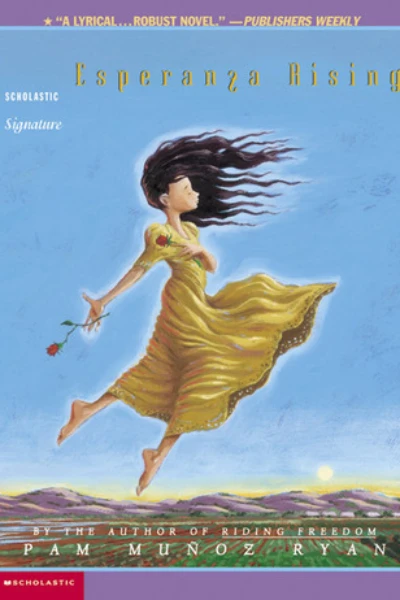
Esperanza Rising
Pam Muñoz Ryan
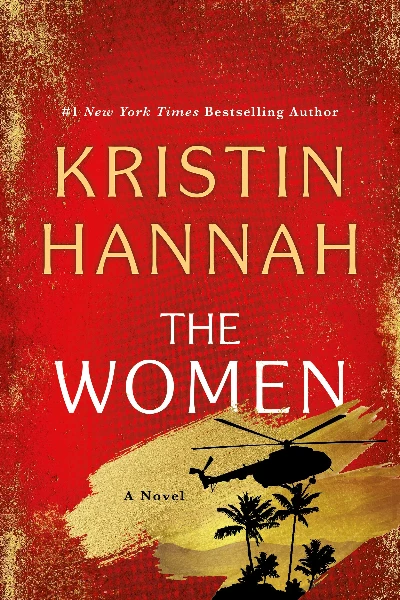
The Women
Kristin Hannah
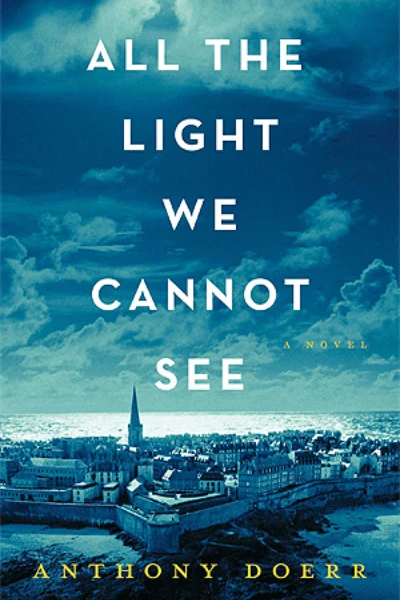
All the Light We Cannot See
Anthony Doerr
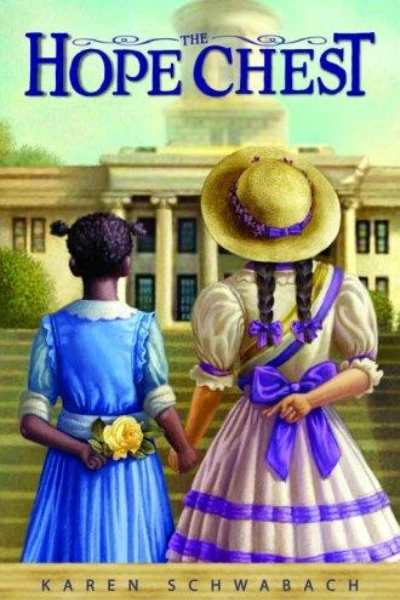
The Hope Chest
Karen Schwabach
I Must Betray You
Ruta Sepetys
Refugee
Alan Gratz

As Long as the Lemon Trees Grow
Zoulfa Katouh

Atmosphere
Taylor Jenkins Reid
Rezanov
Gertrude Atherton
The Bride of Lammermoor
Walter Scott
The Red Badge of Courage
Stephen Crane
The Crossing
Winston Churchill

The Outlaw of Torn
Edgar Rice Burroughs
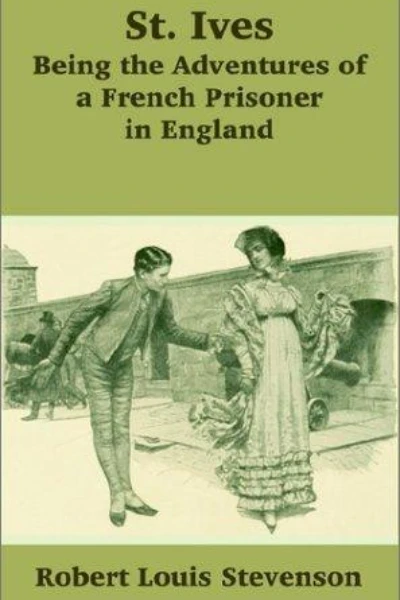
St. Ives
Robert Louis Stevenson
Remember the Alamo
Amelia E. Barr
Historical Fiction — Dickens, Dumas, and the Novel of the Past
Historical fiction is one of the oldest and most consistently popular literary genres, and one of the most misunderstood. At its worst, it can be little more than costume drama — the trappings of a past era pasted onto essentially contemporary characters and concerns. At its best, however, historical fiction accomplishes something no other genre can quite manage: it lets the reader experience a specific past — its politics, its texture, its speech, its assumptions — from the inside of a story that could plausibly have happened in it. The great historical novels are the ones where the history isn't just backdrop; it is the substance of what the novel is about.
The Book Renzo historical fiction shelf features two nineteenth-century masters of the form.
The first is Charles Dickens's A Tale of Two Cities, published in 1859. The novel is set in London and Paris in the years before and during the French Revolution, and its famous opening — "It was the best of times, it was the worst of times" — is one of the most quoted first lines in English literature for a reason. Dickens uses the French Revolution as a way of asking questions his contemporary Victorian readers preferred not to ask about their own society: about class, about violence, about the moral debt owed by the wealthy to the poor, about what happens to a nation when accumulated injustices become intolerable. The plot follows a French aristocrat, Charles Darnay, who has renounced his family's title and moved to England, and Sydney Carton, an English lawyer whose life has slid into wasted brilliance and drink. Both men love the same woman, Lucie Manette. The novel's final act, in Revolutionary Paris, contains some of the most emotionally powerful writing Dickens ever produced.
The second is Alexandre Dumas's The Three Musketeers, published in 1844. The novel is set in seventeenth-century France, and follows the young d'Artagnan as he arrives in Paris hoping to join the Musketeers of the Guard — the elite bodyguards of Louis XIII. He falls in with Athos, Porthos, and Aramis, and together the four of them are drawn into the political intrigues of the French court, including the machinations of Cardinal Richelieu and the shadowy Milady de Winter. The book is often shelved as adventure fiction — and it is that — but it is also a serious work of historical fiction, closely researched and full of period detail. Dumas understood the politics of the French court he was describing, and the pleasures of the novel are inseparable from the specificity of the world it inhabits.
Historical fiction as a category is enormous and includes some of the most beloved novels of the nineteenth and early twentieth centuries. We're continuing to expand this shelf toward more of them — Sir Walter Scott's novels, Leo Tolstoy's War and Peace, George Eliot's Romola, and the wider body of historical fiction produced in this period. Every book on this shelf is a verified public-domain text. Start reading.