Book Renzo
Genre
Dystopian Fiction
Dystopian Fiction Online — Imagined Societies and the Literary Tradition of the Warning Novel
Dystopian fiction is one of the youngest of the recognized literary genres — a mode that didn't fully take its modern shape until the twentieth century, though its roots run further back into earlier speculative writing. What defines the dystopian novel is not simply that its imagined society is bad; utopian and anti-utopian fiction had existed for centuries before the term "dystopia" entered common critical use. What defines the genre is the specific way it uses an imagined social future to say something true about the present. The great dystopian novels are not really about their invented societies at all. They are about ours.
The tradition has clear eighteenth- and nineteenth-century predecessors. Samuel Butler's Erewhon, published in 1872, imagined a country that had banned all machinery out of a fear that technology would eventually enslave humanity — an argument that reads as unsettlingly current more than a hundred and fifty years later. Edward Bellamy's Looking Backward, published in 1888, was ostensibly utopian in shape but launched a debate that produced dozens of dystopian responses in the decades that followed. H.G. Wells's speculative fiction — The Time Machine (1895), When the Sleeper Wakes (1899), and The First Men in the Moon (1901) — repeatedly imagined future societies that were both technologically advanced and morally impoverished, and helped establish the vocabulary the genre would later formalize. Jack London's The Iron Heel, published in 1908, is arguably one of the first fully realized dystopian novels in English, imagining an oligarchic American future built on the political conflicts of London's own moment.
The genre reached its recognizable modern form in the early twentieth century, most influentially in Yevgeny Zamyatin's We — written in 1920-21 and published in English translation in 1924. Zamyatin was a Russian writer and engineer who had been an active revolutionary before turning against the Soviet system that emerged from it. His novel imagined a future "One State" in which citizens are known by numbers rather than names, live in glass-walled apartments under total surveillance, and are governed by a rigid mathematical logic that treats human happiness as something calculable. We was the direct model for both of the two most famous dystopian novels of the twentieth century, and its influence on the entire genre that followed is difficult to overstate.
What has kept the strongest dystopian novels alive across generations is not the specific mechanics of the societies they invent — total surveillance, biological engineering, censorship regimes, ecological collapse, algorithmic control — but the accuracy with which they identify tendencies in real societies that could plausibly lead somewhere similar. The genre works, when it works, as a form of extended argument: what would happen if the currents already visible in our world were carried to their logical conclusion? The novels don't have to be right about the specifics. They only have to be right about the direction. That's what makes the tradition last.
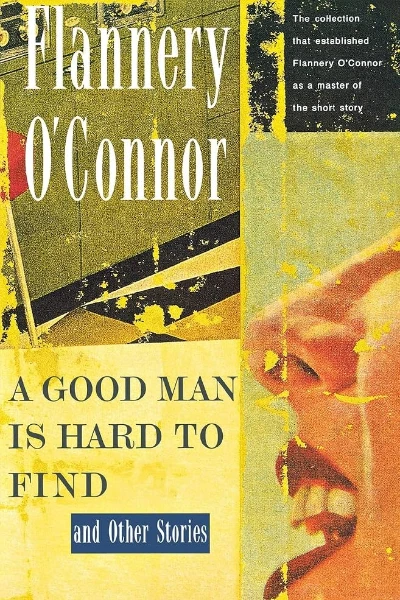
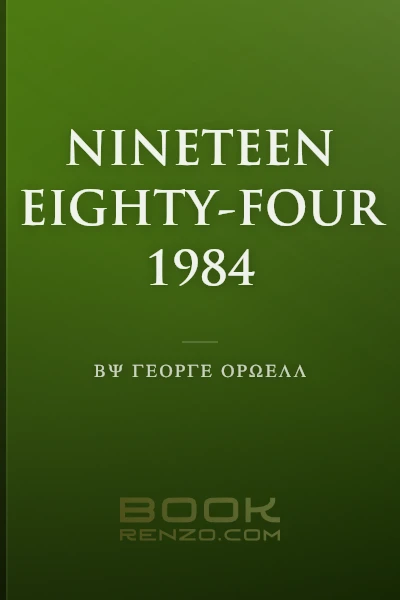
The Book Renzo dystopian fiction shelf collects novels working in this tradition — the foundational public-domain works that established the genre alongside more recent additions. If you're new to dystopian fiction, the earlier works are a genuinely rewarding place to start; reading them in sequence shows you how the genre developed its central concerns, and gives context for everything the later novels are doing. Read online instantly, no account needed.