
Book Renzo
Genre
Non-Fiction

Nobody's Girl
Virginia Roberts Giuffre
The Simple Path to Wealth
J.L. Collins
Stolen Focus
Johann Hari
Me Talk Pretty One Day
David Sedaris
Why We Sleep
Matthew Walker
If You're Not First, You're Last
Grant Cardone
Columbine
Dave Cullen
Eat, Pray, Love
Elizabeth Gilbert
The Subtle Art of Not Giving a F*ck
Mark Manson
In Cold Blood
Truman Capote
Educated
Tara Westover
Between the World and Me
Ta-Nehisi Coates
The Intelligent Investor
Benjamin Graham
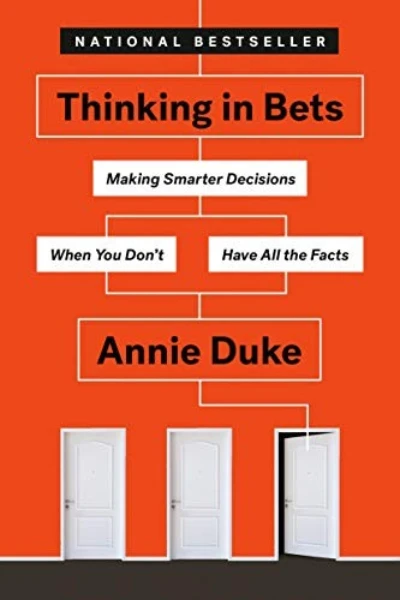
Thinking in Bets
Annie Duke
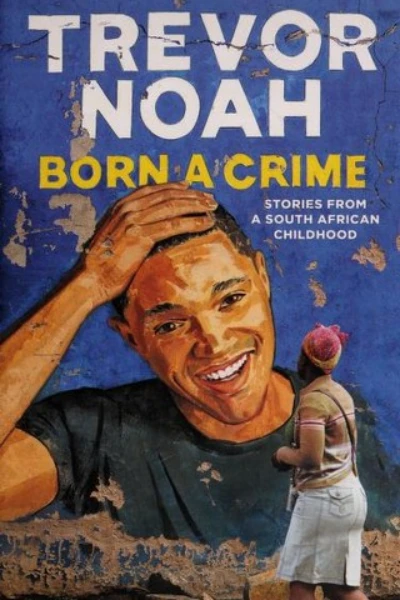
Born a Crime
Trevor Noah
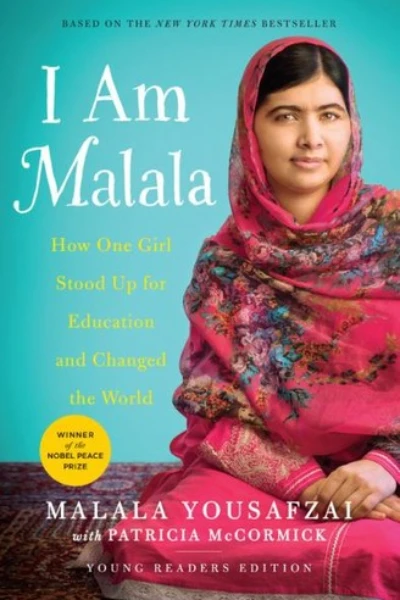
I Am Malala
Malala Yousafzai
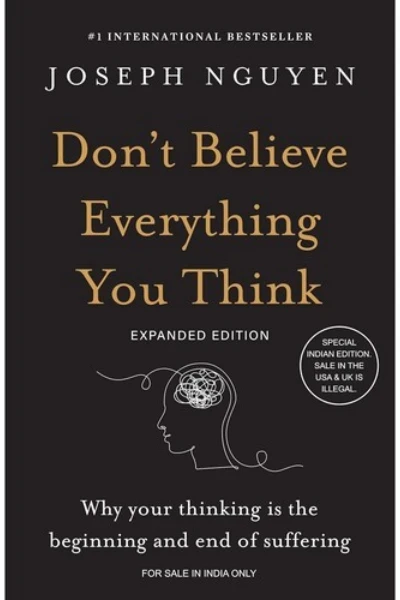
Don't Believe Everything You Think
Joseph Nguyen
Tracks of a Rolling Stone
Henry J. Coke
Essays in the Art of Writing
Robert Louis Stevenson
Life and Adventures of Calamity Jane
Calamity Jane

She Stands Accused
Victor MacClure

Criminal Sociology
Enrico Ferri
James Nasmyth, Engineer: An Autobiography
James Nasmyth
In Darkest England, and the Way Out
William Booth
Free Non-Fiction — History, Philosophy, and Strategy in the Original
The non-fiction shelf at Book Renzo gathers works that don't fit cleanly into any of the more specialized categories — history, philosophy, political philosophy — but that share a common quality: they are among the books most often turned to by anyone trying to think seriously about how human societies work, how strategy operates, and how ideas travel.
Two works anchor the shelf.
The first is Sun Tzu's The Art of War, written in China in roughly the fifth century BCE. Sun Tzu was a general in the state of Wu, and the treatise he left behind is the oldest surviving work of military strategy still in wide use anywhere in the world. What has kept it in continuous circulation for more than two thousand years is that Sun Tzu was writing about something more fundamental than war. He was writing about conflict — how to see it clearly, how to prepare for it, how to shape circumstances so that when it comes, you have already won. The book is short, aphoristic, and written in an almost lyrical style. Its readers today include not only military officers but corporate executives, negotiators, athletes, and anyone who has come to believe that the way you approach a hard problem determines the outcome more than raw effort does. Reading The Art of War is a way of encountering, in extraordinarily compressed form, one of the most sustained ancient meditations on strategy and situational awareness.
The second is The Federalist Papers — treated in more depth on the political philosophy shelf, but included here as well for readers who come to non-fiction looking for foundational political and constitutional writing. The eighty-five essays by Hamilton, Madison, and Jay are as much a work of practical political science as of philosophy, and they belong on any serious non-fiction shelf.
Non-fiction in the public domain is enormous. The category encompasses history, philosophy, science, economics, memoir, and the writing that used to be called "letters" — the essays and epistolary work of literate people arguing carefully about the world they lived in. We're continuing to expand this shelf substantially. Frederick Douglass's autobiographical writing, Thomas Paine's Common Sense and The Rights of Man, Marcus Aurelius's Meditations, William James's psychological and philosophical writing, Darwin's On the Origin of Species, the great economic and political essays of the nineteenth century — all of it belongs here, and we're working through it. Every book on this shelf is a verified public-domain text.
If you tend to read fiction, non-fiction can feel slower — you can't skim it the same way, and the arguments don't move at a novelist's pace. But the payoff is different, and worth the adjustment. Start reading.