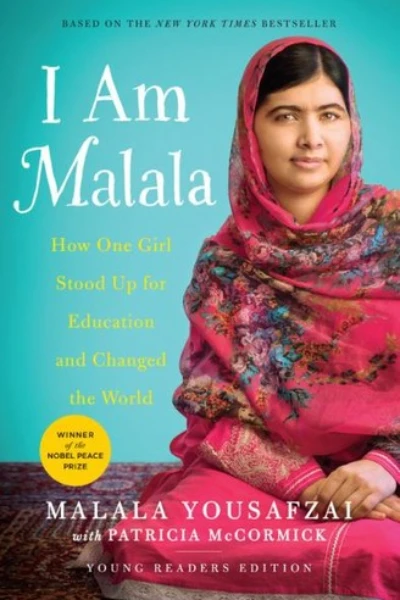
I Am Malala
I Am Malala — Chapter no 13
13
The Diary of Gul Makai
IT WAS DURING one of those dark days that my father received a call from his friend Abdul Hai Kakar, a BBC radio correspondent based in Peshawar.
He was looking for a female teacher or a schoolgirl to write a diary about life under the Taliban. He wanted to show the human side of the catastrophe in Swat. Initially Madam Maryam’s younger sister Ayesha agreed, but her father found out and refused his permission saying it was too risky.
When I overheard my father talking about this, I said, ‘Why not me?’ I wanted people to know what was happening. Education is our right, I said.
Just as it is our right to sing. Islam has given us this right and says that every girl and boy should go to school. The Quran says we should seek knowledge, study hard and learn the mysteries of our world.
I had never written a diary before and didn’t know how to begin.
Although we had a computer, there were frequent power cuts and few places had Internet access. So Hai Kakar would call me in the evening on my mother’s mobile. He used his wife’s phone to protect us as he said his own phone was bugged by the intelligence services. He would guide me, asking me questions about my day, and asking me to tell him small anecdotes or talk about my dreams. We would speak for half an hour or forty-five minutes in Urdu, even though we are both Pashtun, as the blog was to appear in Urdu and he wanted the voice to be as authentic as possible. Then he wrote up my words and once a week they would appear on the BBC Urdu website. He told me about Anne Frank, a thirteen-year- old Jewish girl who hid from the Nazis with her family in Amsterdam during the war. He told me she kept a diary about their lives all cramped together, about how they spent their days and about her own feelings. It was very sad as in the end the family was betrayed and arrested and Anne died