Book Renzo
Fantasy
151 books in this genre

The Ballad of Never After pdf
Stephanie Garber

Caraval
Stephanie Garber

The Prison Healer
Lynette Noni

Once Upon a Broken Heart pdf
Stephanie Garber

The Serpent and the Wings of Night
Carissa Broadbent

Nightshade (Sorrowsong University, #1)
Autumn Woods

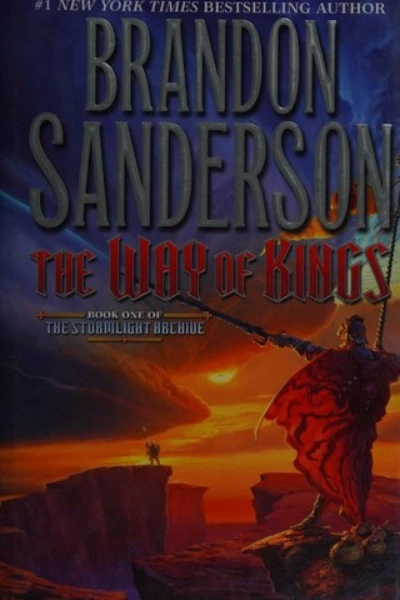
The Way of Kings
Brandon Sanderson

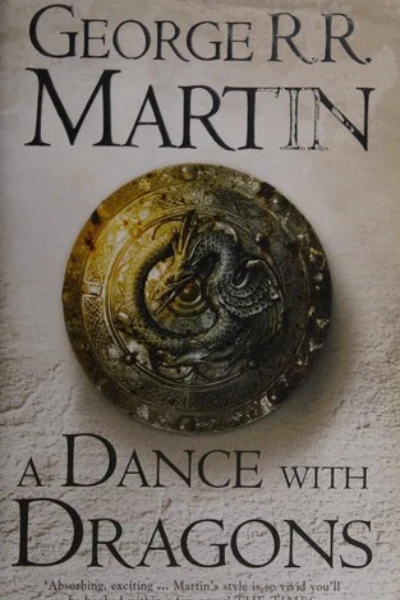
A Dance with Dragons
George R. R. Martin

Dungeon Crawler Carl
Matt Dinniman

The Fellowship of the Ring
J.R.R. Tolkien

Imagine Me (Shatter Me, #6)
Tahereh Mafi

Schaduw me (Touching Juliette, #4.5)
Tahereh Mafi

Destroy Me (Shatter Me, #1.5)
Tahereh Mafi

The Strength of the Few (Hierarchy, #2)
James Islington

Web of Vows and Vengeance
Aria Ashbrook

Shifted Fate
Alicia S. Rivers

Wicked: The Life and Times of the Wicked Witch of the West
Gregory Maguire

Fracture Me
Tahereh Mafi

Fourth Wing Bonus Chapter 27
Rebecca Yarros

Vampire Academy
Richelle Mead

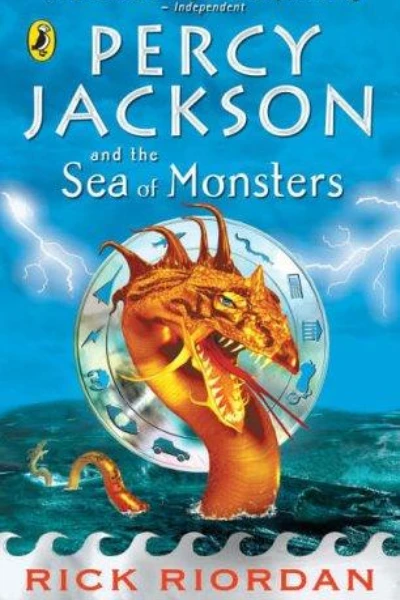
The Sea of Monsters
Rick Riordan

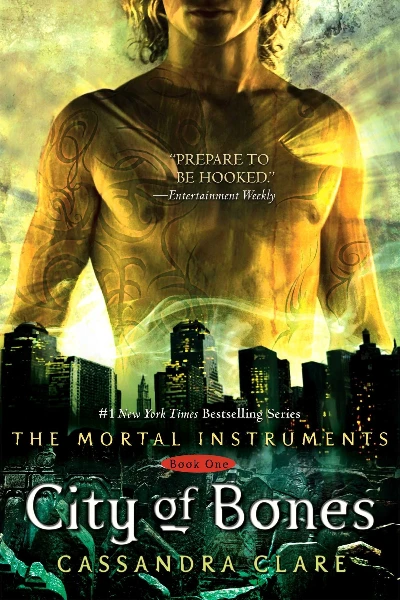
City of Bones
Cassandra Clare

The Sun and the Star
Rick Riordan

Ignite Me (Shatter Me, #3)
Tahereh Mafi
Classic Fantasy — The Roots of the Genre
Modern fantasy is often described as if it began with Tolkien, but that's not quite right. Fantasy as a mode of storytelling — the deliberate use of magic, mythic structure, invented worlds, and supernatural logic — is older than most literary genres, running back through Arthurian romance, medieval folk tale, and further still into the mythologies from which those emerged. What we now shelve as "fantasy" is really a river with a lot of tributaries.
The public-domain fantasy shelf at Book Renzo collects some of those foundational works. Reading them is a way of seeing where the modern genre came from before it was codified — before there were rules about magic systems, before "worldbuilding" was a term, when the writers experimenting in this mode were still figuring out what could be done with it.
Some of the works you'll find here are strange in ways modern fantasy usually isn't. Lewis Carroll's Through the Looking-Glass, for example, is fantasy in the loosest and most rewarding sense: dream-logic dressed as story. Its rules keep shifting; characters change places; the physical geography of the world responds to metaphor rather than to the reader's expectations. It's an early example of fantasy as pure imaginative freedom, before commercial pressures pushed the genre toward the more consistent, systematized worldbuilding of later decades.
Other works on the shelf draw more directly from mythic sources: fairy tales, folklore, epic tradition. What ties them together isn't a specific set of tropes but a willingness to take seriously the imaginative possibilities of magic, myth, and the unreal.
We're actively expanding this shelf toward more of the writers who shaped the genre's foundations — George MacDonald's dark Christian fantasies, the L. Frank Baum Oz books that essentially invented American children's fantasy as its own tradition, William Morris's medievalist romances that Tolkien later cited as direct influences, Lord Dunsany's compressed mythic fables, and the wider body of mythology and legend on which so much of modern fantasy still draws. Every book on this shelf is a verified public-domain text.
If you're a reader of contemporary fantasy — the big series that fill airport bookstores — reading the works on this shelf is like looking at the geological layers under a landscape. You start seeing where everything came from. Start reading.