Publisher Description

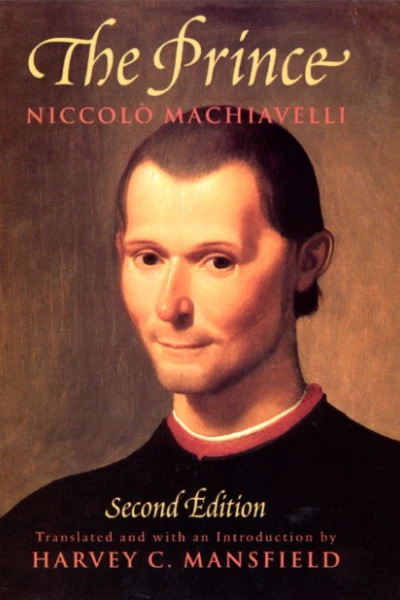
The Prince is a political treatise written by Niccolò Machiavelli in 1513 and published in 1532, five years after his death.
In this treatise, Machiavelli develops the idea that the aims of rulers are often at odds with morality, and that if a ruler wants to maintain power, he must be willing to act without mercy. The book even devotes a chapter to the different kinds of cruelty and mercy, and how to apply them correctly.
It is divided into 26 chapters. The first eleven describe the different types of principality and how they can be acquired and held. Three more deal with armies, mercenaries, and the prince’s own troops. The following nine give specific advice on how a ruler should conduct himself, including how to keep the loyalty of his subjects, how to govern conquered peoples, and the argument that it is safer to be feared than to be loved.
The last three chapters turn to fortune, to the failures of the Italian princes of his day, and to a call to free Italy from foreign armies.
Unlike other idealistic or utopian writings of the time, The Prince is written as a practical guide or manual for rulers.
Two forces decide whether a prince keeps power: virtù and fortuna. Virtù is not moral virtue but skill, decisiveness, and force of character; fortuna is the run of circumstance. Machiavelli advises the prince to build up his virtù, since fortune is beyond anyone’s control.
This edition of The Prince is based on the English translation by Luigi Ricci.