
Publisher Description
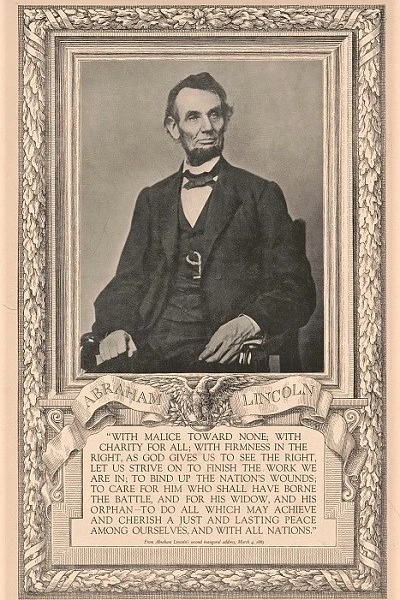
Lincoln's Second Inaugural Address (March 4, 1865) — key points: Opens briefly: Unlike his first inaugural, Lincoln says little new needs to be said since the war's progress is already well known and public. He avoids making predictions. Looks back to 1861: He recalls how both sides dreaded war and tried to avoid it, but insurgents in the South sought to destroy the Union rather than negotiate. War came because one side would fight rather than let the Union survive, and the other would fight rather than let it die. Names slavery as the cause: He states plainly that slavery was the interest that caused the war — the South fought to protect and extend it, while the North sought only to restrict its spread. Reflects on providence and shared faith: Both sides pray to the same God and read the same Bible, yet neither's prayers have been fully answered. He suggests the war may be divine punishment for the offense of slavery, and that it may continue until the wealth generated by 250 years of unpaid slave labor is destroyed and every drop of blood drawn by the lash is repaid by the sword. Closes with the famous conciliatory appeal: "With malice toward none; with charity for all," he calls for the nation to bind up its wounds, care for war widows and orphans, and work toward a just and lasting peace — with the South and with all nations. It's one of the shortest inaugural addresses ever given, but considered one of the most significant for its moral framing of the Civil War and its call for reconciliation just weeks before Lincoln's assassination.